East Africa / West Africa · Uganda
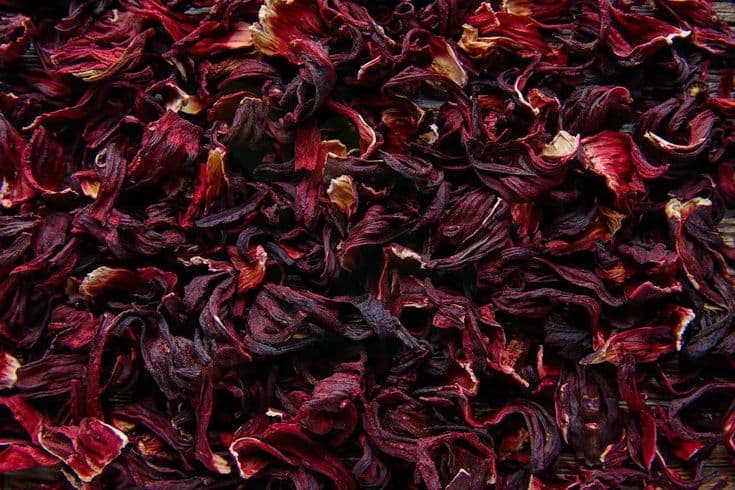
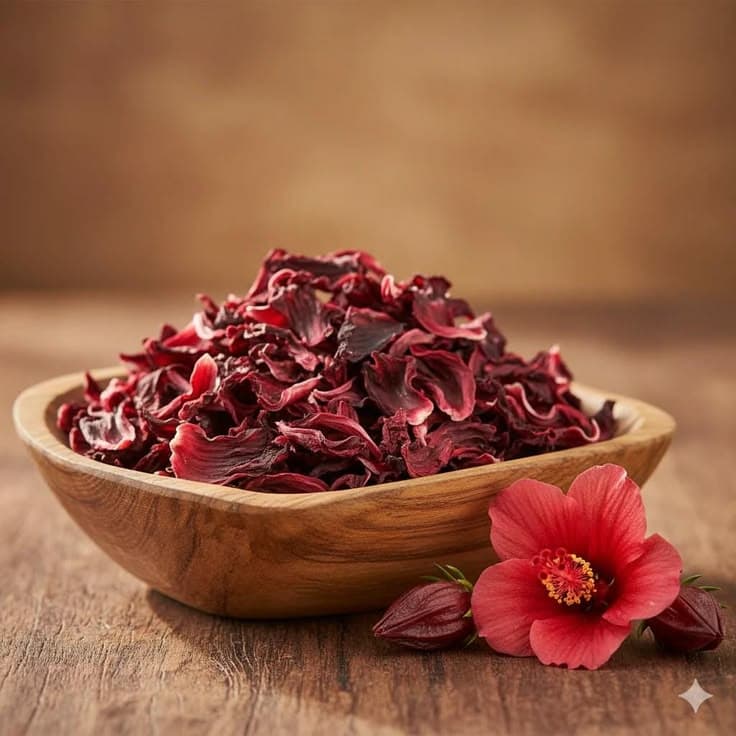
Hibiscus
Hibiscus rosa-sinensis flower extract
“Antioxidant protection, gentle scalp clarifying, slip, curl definition”
How It Works
The mechanism.
Hibiscus flowers bring antioxidants, gentle fruit acids and a natural mucilage to the infusion. The antioxidants help shield hair and scalp from sun and heat stress; the mild acids lightly clarify the scalp surface, loosening the build-up that dulls hair; and the mucilage adds slip and moisture, leaving curls springier and more defined.
Origins & Tradition
Where it comes from.
Hibiscus is deeply embedded in East and West African hair care. In Uganda, hibiscus flowers are boiled in palm or coconut oil for a hair treatment called 'Ekizimba' that addresses hair thinning and scalp dryness — a practice that matches Sanyu's infusion method exactly. In West Africa (Nigeria, Ghana), hibiscus tea is used as a final hair rinse to restore shine and define curls. In Indian Ayurveda, Hibiscus rosa-sinensis is called 'Japapuspa' and is perhaps the most widely documented botanical hair treatment in the literature. Across three continents, the same plant found its way into hair rituals independently, pointing to traditional scientific observation of its effects.
Active Compounds
The chemistry.
The Research
What the science says.
In Uganda, hibiscus is steeped in coconut or palm oil for a treatment called Ekizimba - the very method Sanyu uses - and across West Africa and Ayurveda it is among the most documented botanicals for shine and fullness. Across three continents, the same flower found its way into hair ritual independently.
The making
Hibiscus entering the infusion.