North Africa / Mediterranean · Morocco / Tunisia
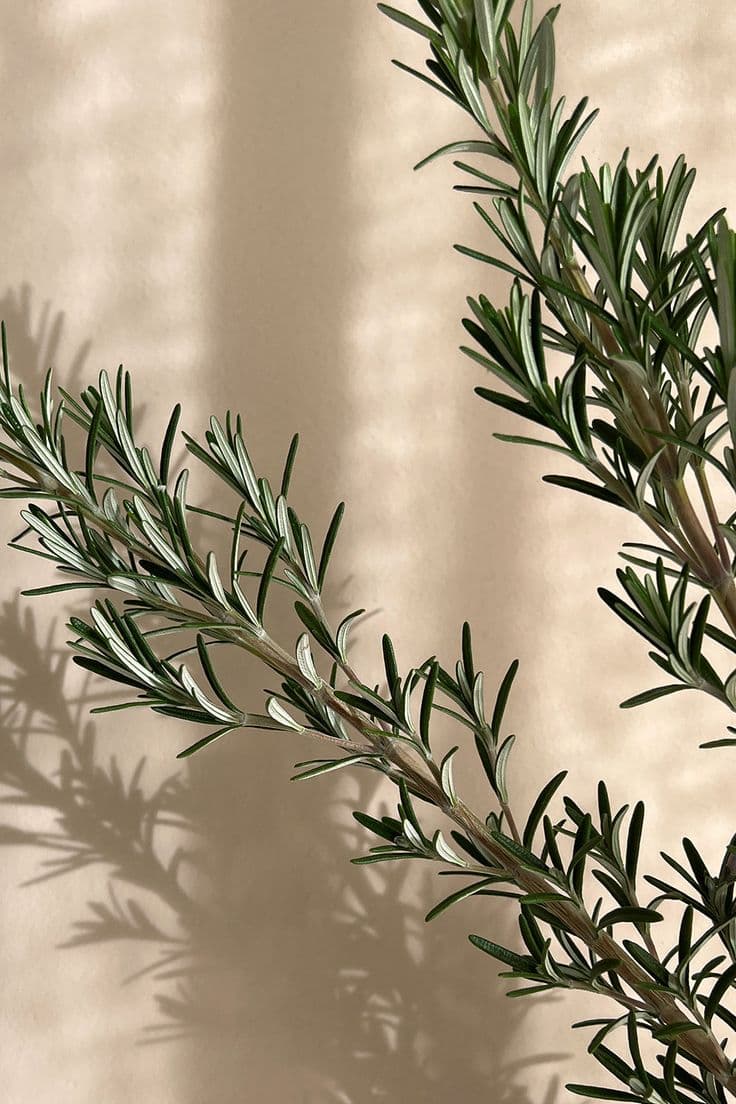
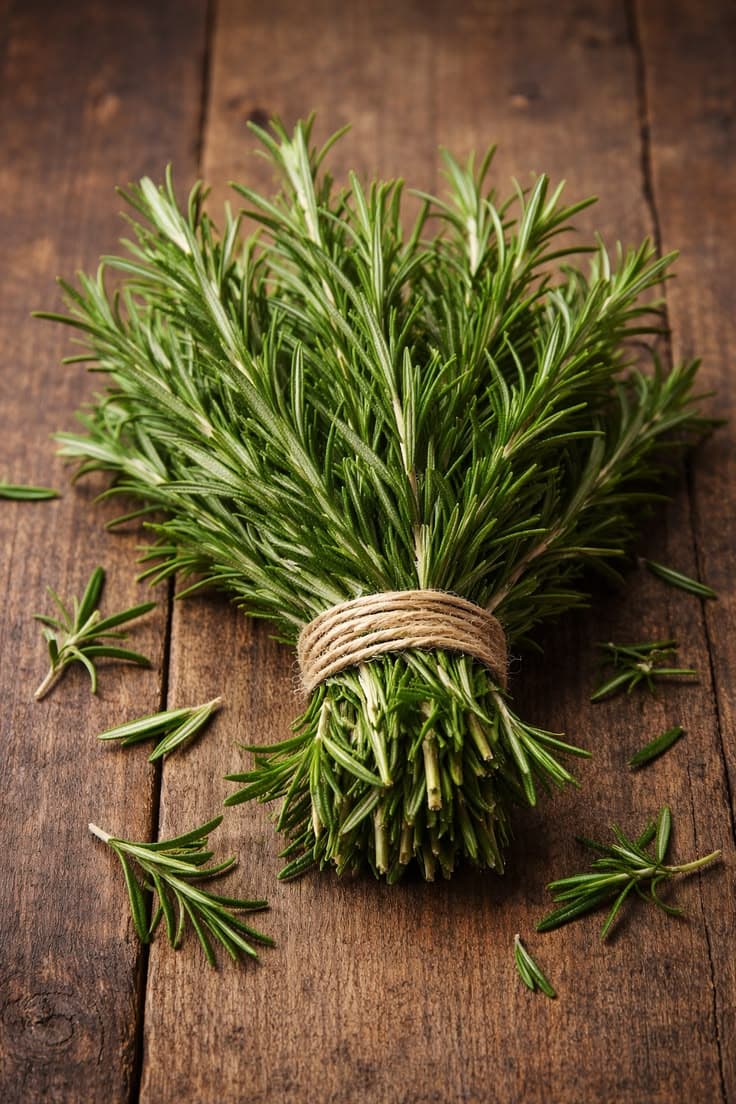
Rosemary
Salvia rosmarinus leaf oil / extract
“Antioxidant scalp support, the appearance of fuller hair, fresh scent”
How It Works
The mechanism.
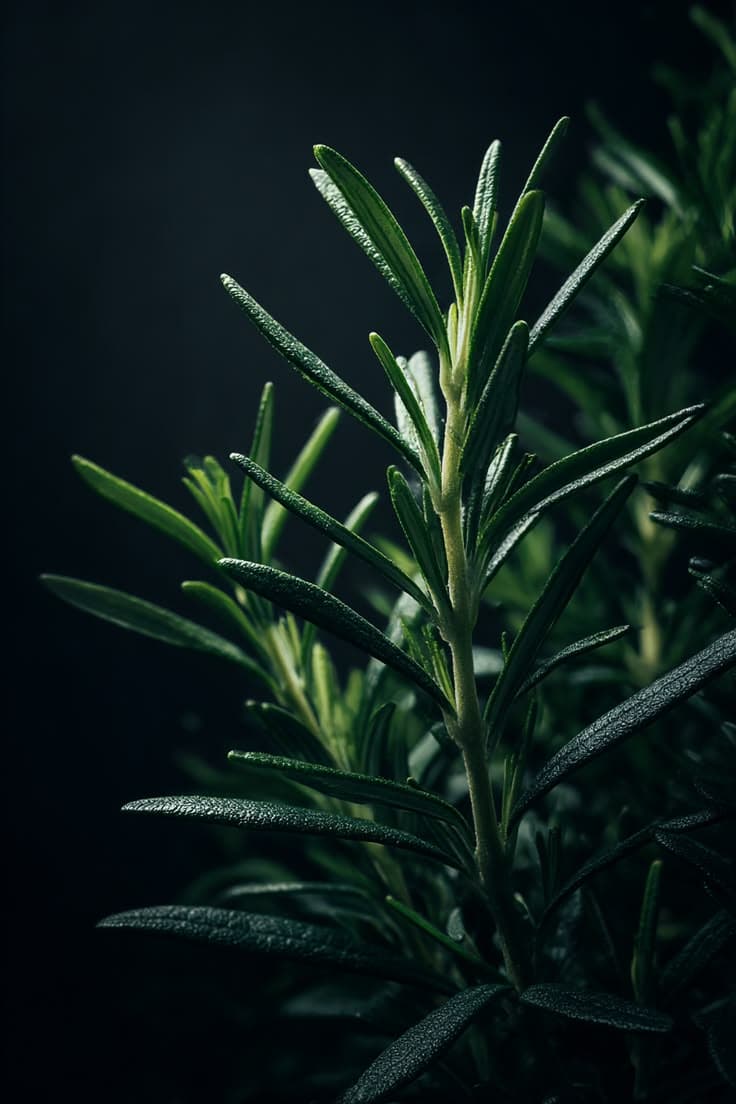
Rosemary is one of the best-loved herbs in hair care, and modern cosmetic research is catching up to the tradition. Its carnosic and rosmarinic acids are potent antioxidants that help protect the scalp from oxidative stress, supporting the healthy-looking, comfortable scalp that fuller-looking hair grows from. Steeped in oil, rosemary also leaves hair fresh-scented and clean-feeling.
Origins & Tradition
Where it comes from.
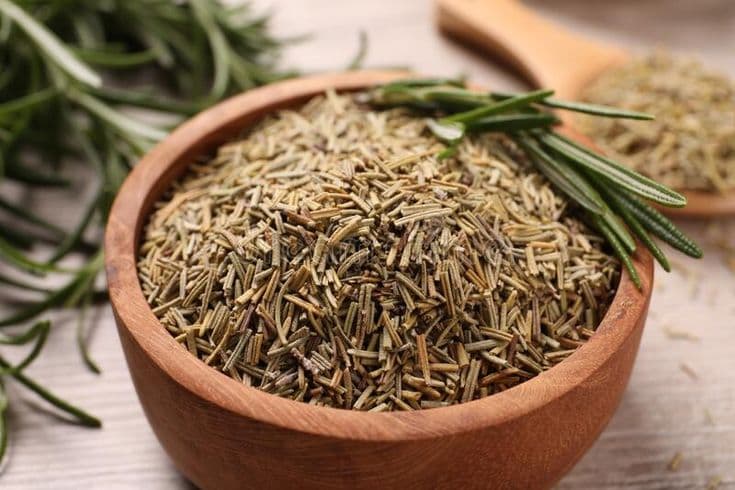
Rosemary has been used across North and West Africa in hair care for centuries — in Morocco and Tunisia, rosemary branches are boiled in olive oil for hair treatment in a technique called 'Zit Iklil.' This direct oil infusion with rosemary is essentially identical to the Sanyu Signature Oil's preparation method. In Southern African herbalism, rosemary (introduced early through the Cape trade routes) became rapidly integrated into Cape Malay and Xhosa hair care practices. The plant's journey from the Mediterranean to becoming an African hair care staple is itself a story of trade, migration, and botanical wisdom crossing continents.

Active Compounds
The chemistry.
The Research
What the science says.
Rosemary is among the most-studied botanicals in modern hair-care research, with growing cosmetic interest in its antioxidant-rich oil - a scientific echo of the Moroccan and Tunisian tradition of steeping rosemary in olive oil (Zit Iklil) that Sanyu's method mirrors almost exactly.
The making
Rosemary entering the infusion.