Older Than the Pyramids
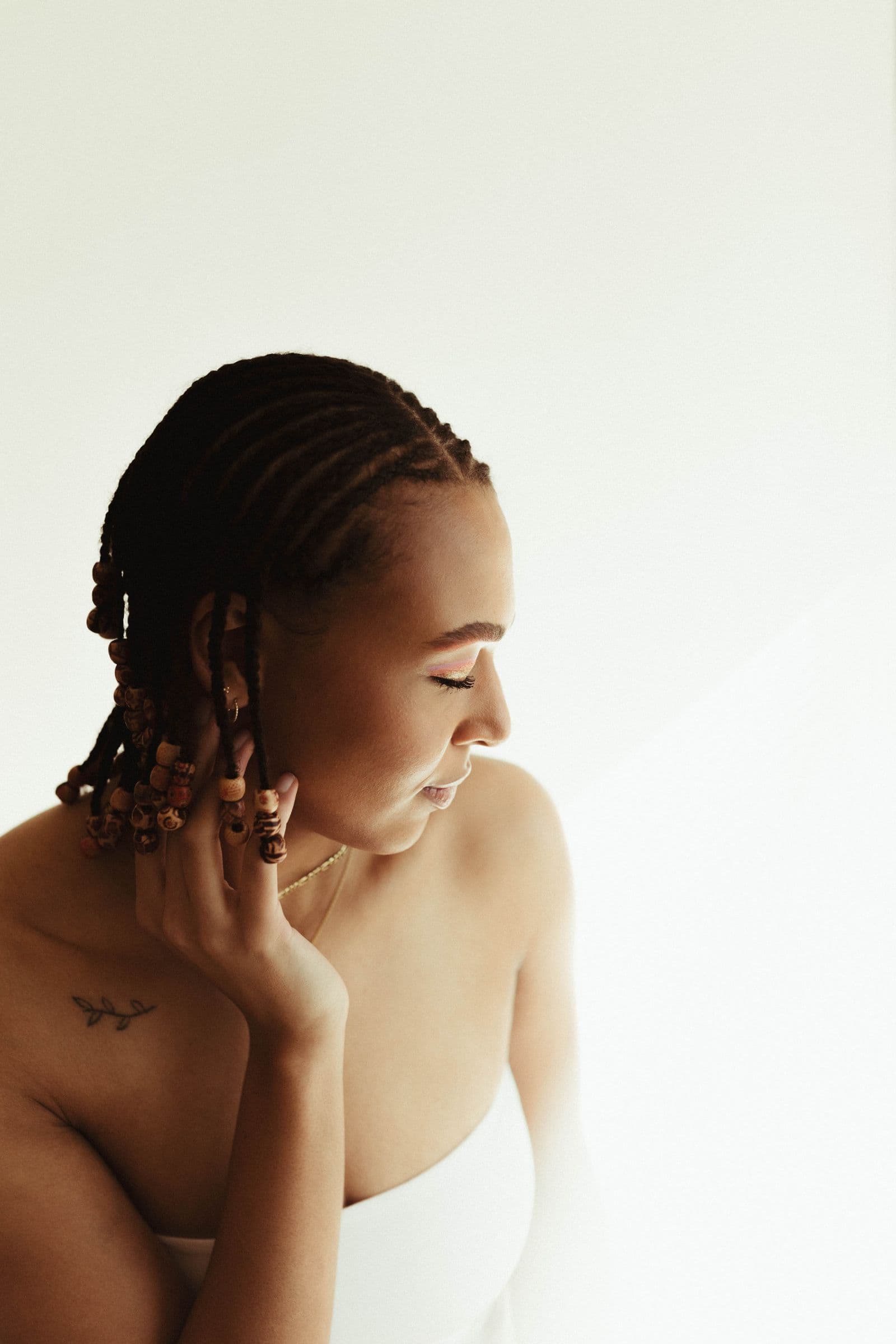
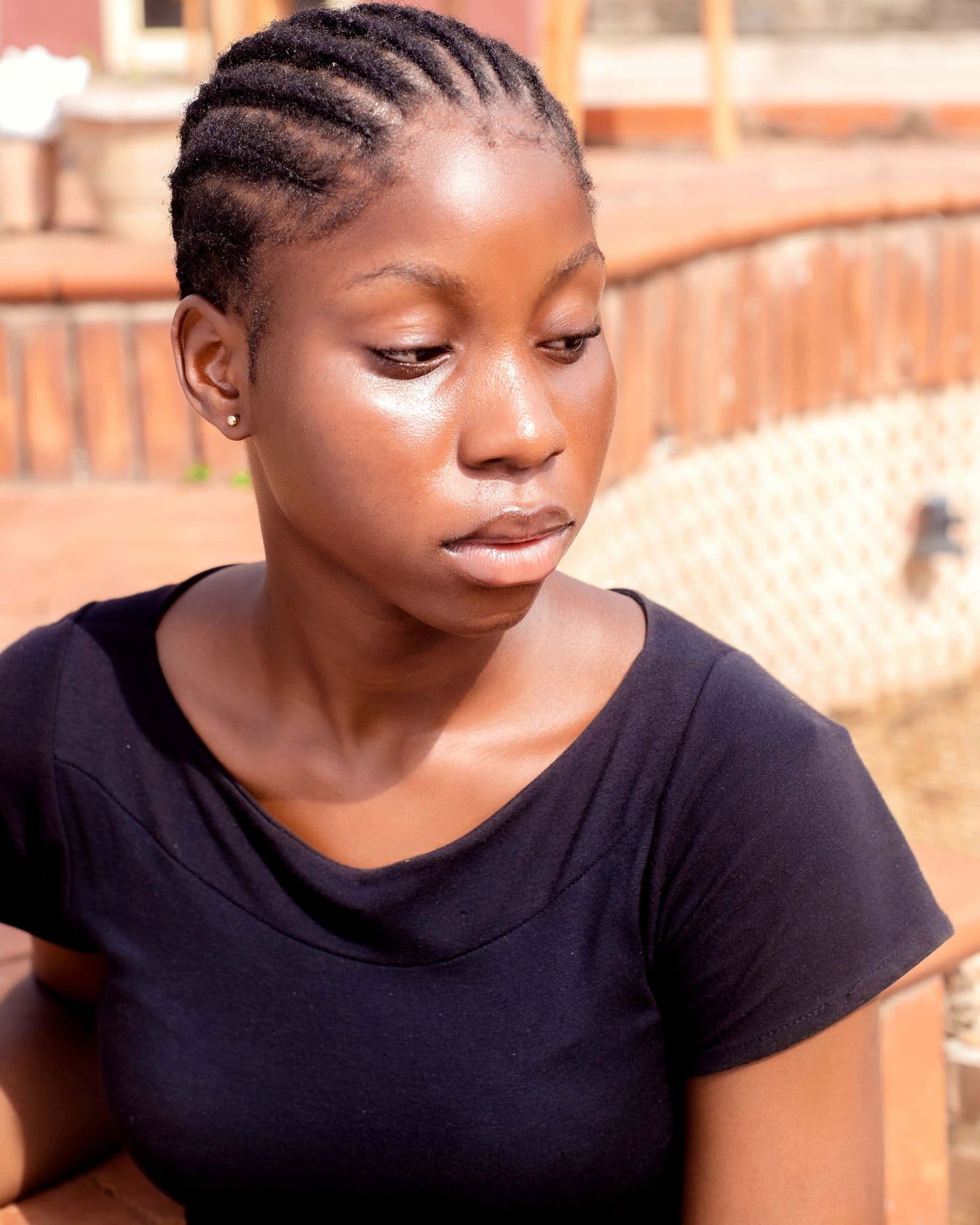
The cornrow is not a trend that came and went and came back. It is one of the oldest continuous human practices we can document. Rock art in the Tassili n'Ajjer plateau of the central Sahara — figures with rowed, plaited hair — has been dated to roughly 3000 BCE. Stone figures from the Nok culture of what is now Nigeria, made more than two thousand years ago, wear hair sculpted into the same close rows against the scalp that millions of women braid today.
When you part the hair into clean lines and feed it into a braid that lies flat against the head, you are performing a gesture older than most written languages. This is worth sitting with for a moment, because the cornrow is so often spoken about as if it were casual — a quick style, a protective option, something to do before a holiday. It is all of those things. It is also a thread that runs unbroken through thousands of years of African life.
A Grammar of the Scalp
Across the continent, the direction, thickness, and pattern of cornrows were never arbitrary. They formed a kind of grammar — readable to those who knew how to read it.
The number of rows, the way they curved, whether they ran straight back or spiralled toward a single point, could indicate which people you belonged to, your age, whether you were married, whether you were in mourning, your readiness for a rite of passage. A girl's hair was braided differently from a married woman's. A bride's hair announced the wedding before she said a word. Hair was identity worn in public, legible across a village square.
This is the first thing to understand about cornrows: they were information. The scalp was a surface that carried meaning, and braiding was the act of writing on it.
The Maps
“The second thing is harder, and it belongs to the period of the transatlantic slave trade — when this grammar of the scalp became, in the most literal sense, a technology of escape.”
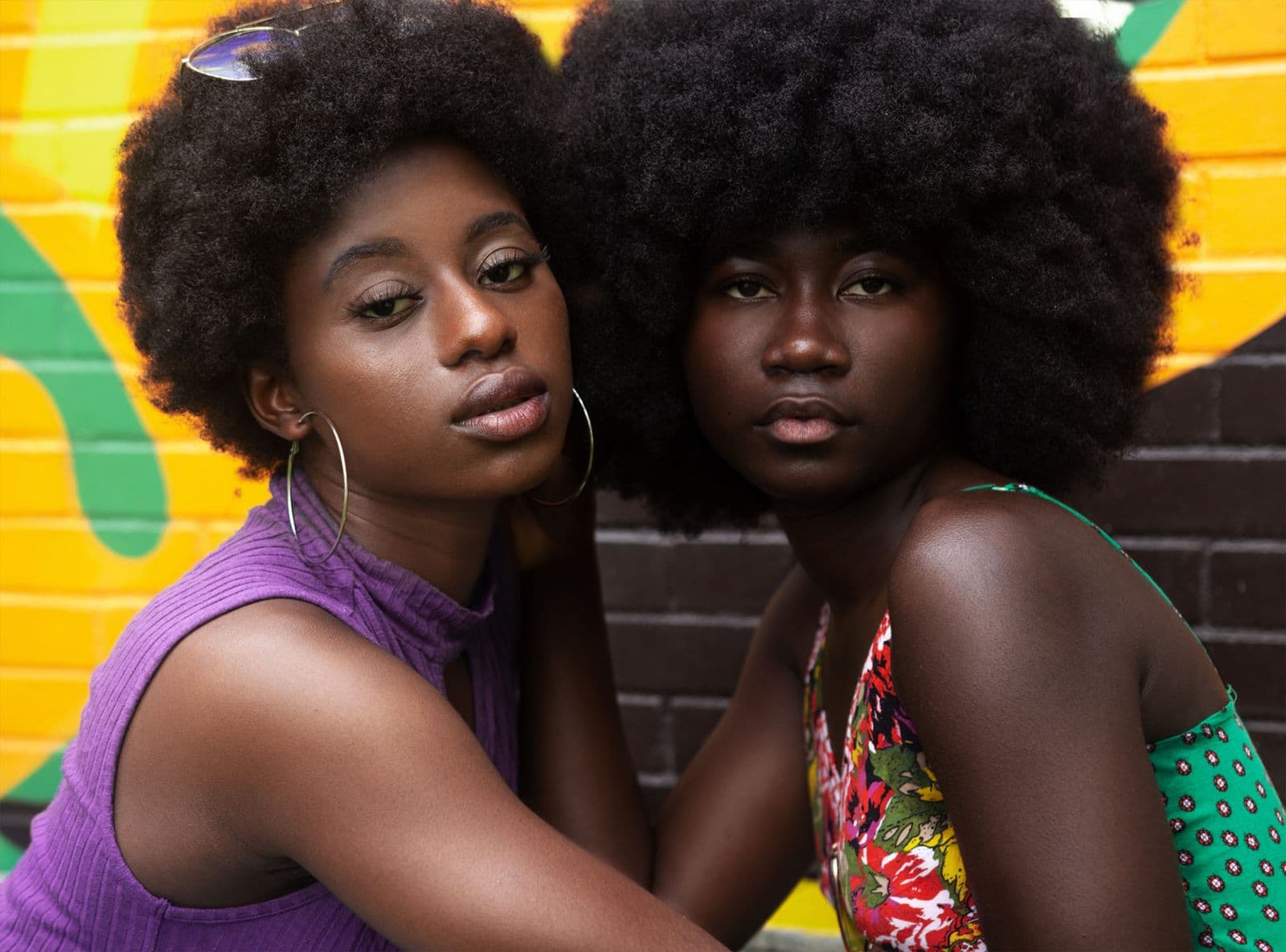
The history is best preserved in Colombia, in the community of San Basilio de Palenque — the first town of free Africans in the Americas, founded by people who had freed themselves. Oral history there, carried by women and recorded by cultural historians such as Ziomara Asprilla García, holds that enslaved women braided escape routes into each other's hair. A style called *departes* is described as mapping the paths out: thick, tightly woven rows curving back from the forehead to signal the roads to take toward the mountains and the free settlements waiting there.
The same oral tradition holds that hair was used to carry what could not be carried openly. Grains of rice and other seeds were tucked and braided into the hair against the day of escape — so that a person who reached freedom would reach it with something to plant. Small amounts of gold were hidden the same way. The braid became a pocket the enslavers could not search and did not think to.
Historians are careful with these accounts, and we will be too: much of this is oral history rather than written archive, preserved by the descendants of the people who lived it rather than by the people who enslaved them. But oral history is history. It is, in many cases, the only history the enslaved were permitted to keep — and it was kept, deliberately, in the one place that could not be confiscated: the body, and the knowledge held between two women's hands.
Why It Had To Be Hair
Think about what was taken from a person on the slave ships and the plantations: language, name, family, land, religion, the right to read and write. Almost everything that holds a self together was stripped away by design.
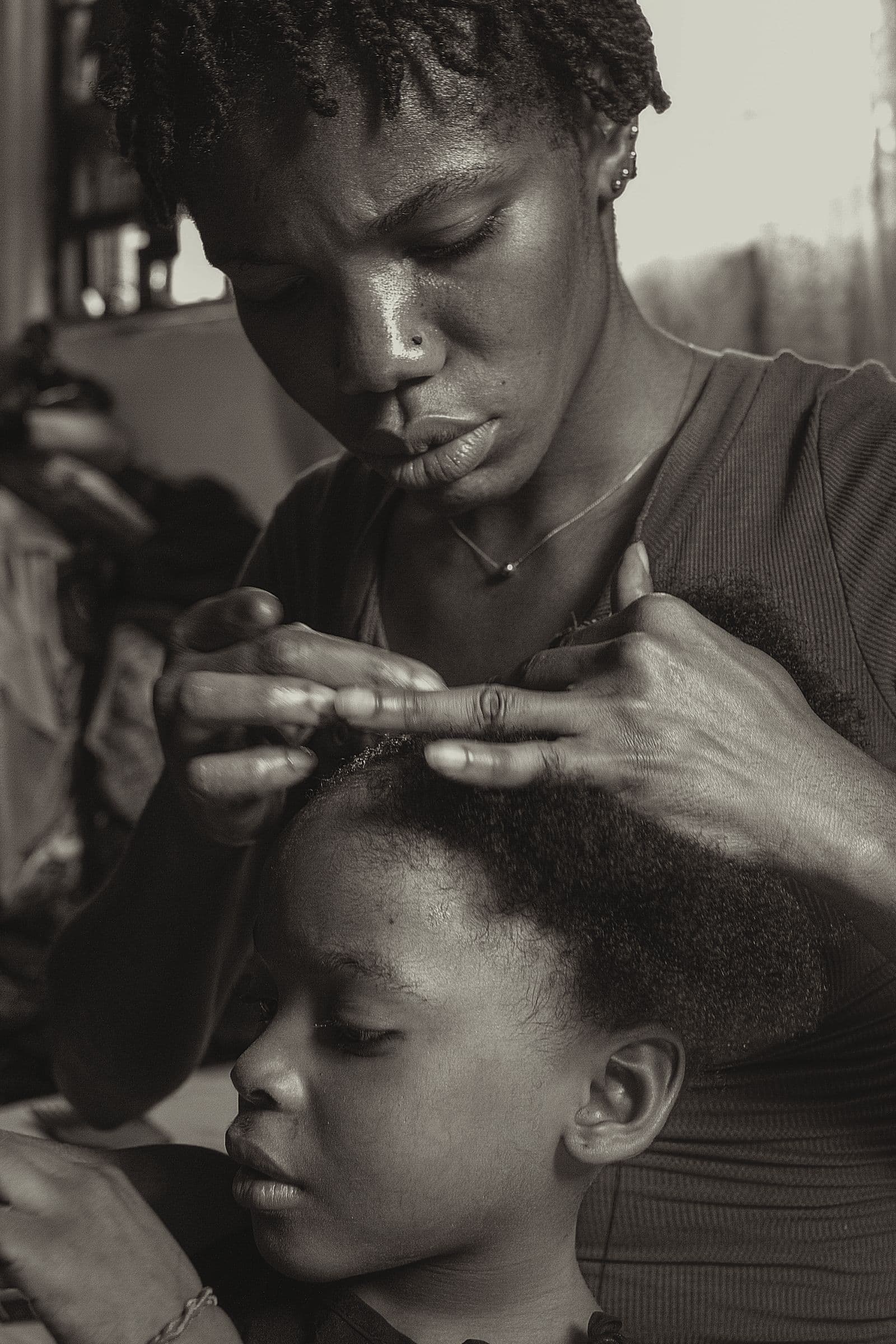
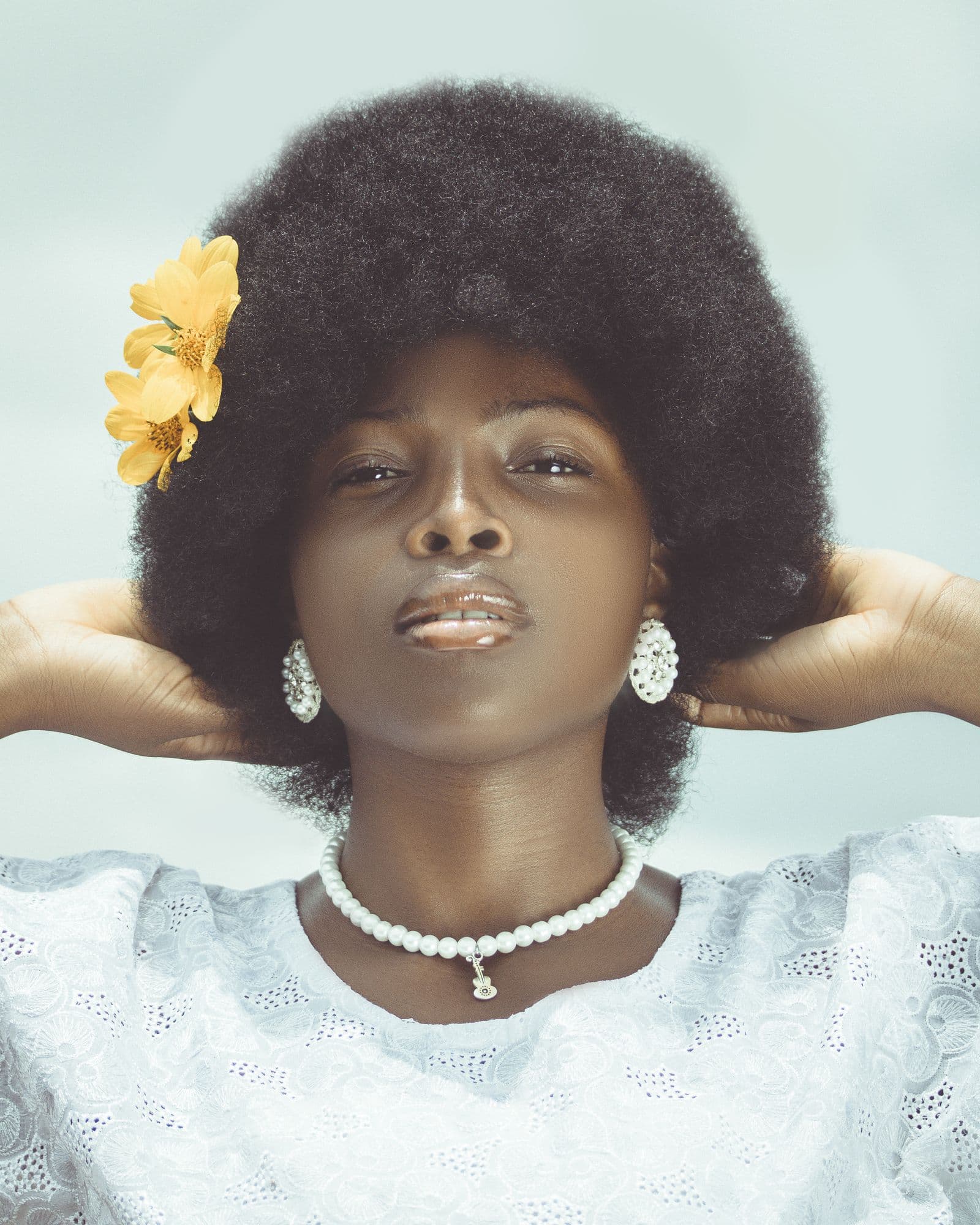
Hair remained. It grew back when it was shorn. It could be styled with nothing but fingers and patience. It could hold a message that required no paper and left no evidence. And the act of braiding it required two people to sit together, in contact, in conversation — which meant that braiding was also one of the few protected spaces where knowledge could pass between people without a watcher understanding what was being said.
The braid was not only a map. It was a meeting. The hours a woman spent with her hands in another woman's hair were hours of teaching, remembering, and planning. This is why hair carries the weight it does in Black communities across the world. It was never only about appearance. It was one of the last territories that could not be colonised, and people defended it the way you defend the last thing you own.
What You Carry Now
There is a direct line from those braided maps to the wash-day stool in a kitchen in Mdantsane, to the salon chair, to the mother sectioning her daughter's hair on a Sunday evening with a rat-tail comb and a jar of balm.
When you braid, you are not borrowing from a culture. You are inside one. The pattern you choose, the hands you trust to do it, the time it takes — these are continuous with a practice that carried seeds across an ocean.
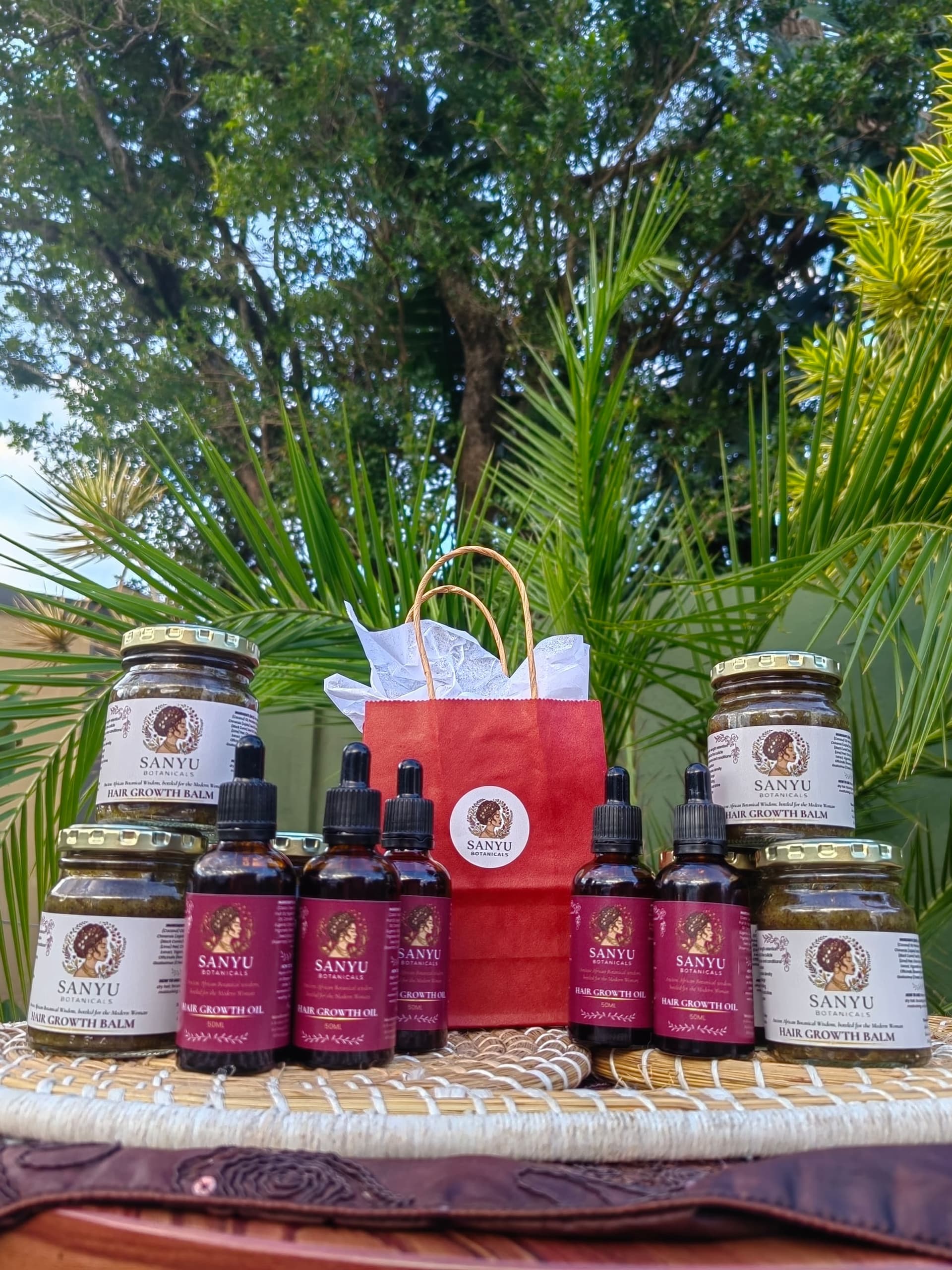
We make the Sanyu Hair Growth Balm with that continuity in mind. Braiding is one of the highest-tension things you do to your hair, and the cornrow's great gift — keeping the hair tucked, protected, low-manipulation — comes with a cost at the hairline if the strand goes in dry and unprotected. Coat the hair fully with the balm before it is braided: tip to root, every section, so the chebe and the oils go into the style with the hair and keep working through the weeks it stays in. Protect the edges. Never let it be braided so tight it hurts.
The women who braided maps were not careless with hair. It was carrying everything. Yours still is.