An Ancient Reputation
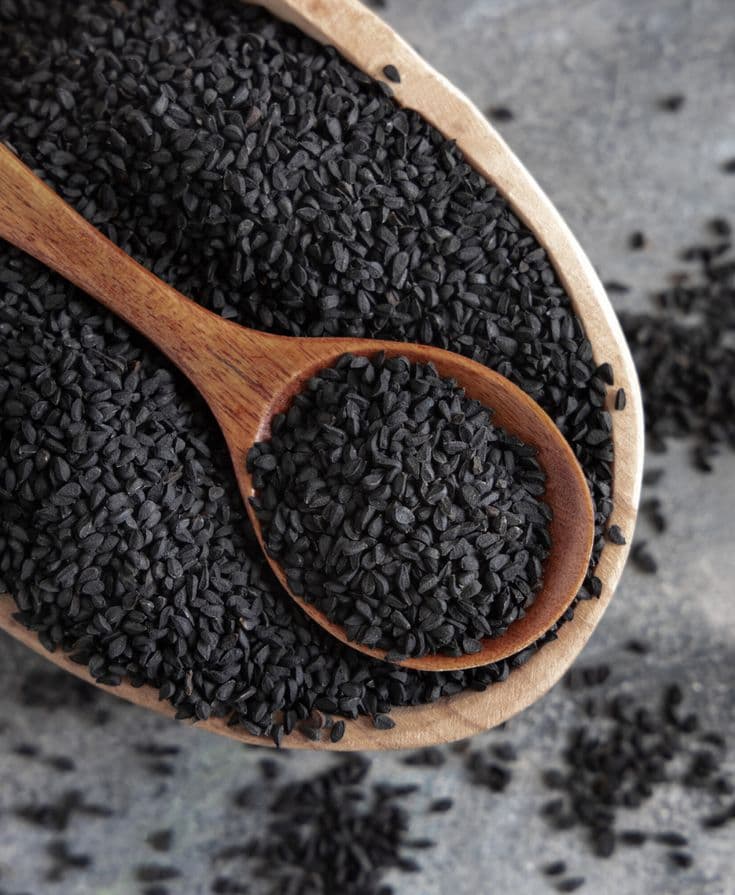
In Islamic tradition, black cumin — *Nigella sativa* — is described in the hadith as "a cure for everything except death." This is not hyperbole for its time; it reflects the accumulation of empirical observation across generations of healers in North Africa, the Arabian Peninsula, Persia, and the Indian subcontinent.
The seeds of *Nigella sativa* have been found in Pharaonic tombs. They were recorded in the writings of Ibn Sina (Avicenna) in the 11th century. They appear in traditional Ethiopian, Egyptian, South Asian, and East African medicine across thousands of years and thousands of kilometres of cultural distance.
What this convergence means: people who had no contact with each other, in different climates and contexts, independently discovered that this small black seed worked.
Modern biochemistry is explaining why.
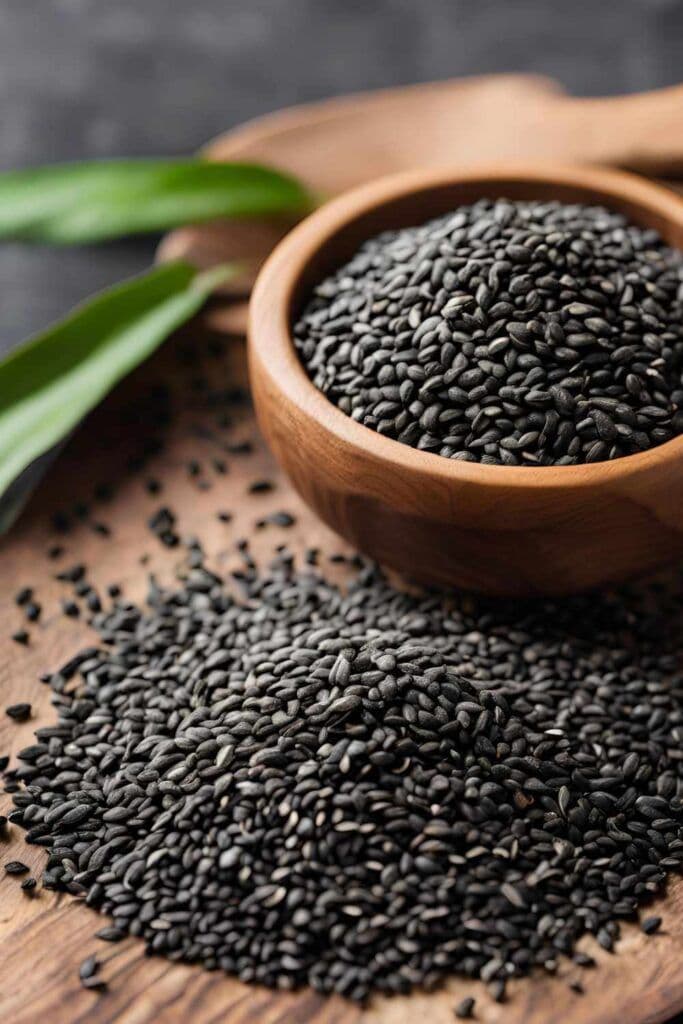
The Chemistry of Black Cumin
The active compounds in *Nigella sativa* oil are primarily:
Thymoquinone (TQ)
The most researched compound. A monoterpene ketone with documented anti-inflammatory, antioxidant, antimicrobial, and antifungal properties. It inhibits the enzyme COX-2 and suppresses NFκB pathways — two of the central mechanisms of chronic inflammation in the body, including scalp inflammation.
Thymohydroquinone and Thymol
Bioactive compounds with their own antimicrobial activity. Thymol is the same compound responsible for thyme's medicinal properties.
Nigellone
A dimer of thymoquinone. Bronchodilatory effects that are less relevant to hair, but indicates the seed's broader pharmacological sophistication.
Fixed oils
Predominantly linoleic acid (omega-6, 55–60%), followed by oleic acid (omega-9). Linoleic acid is an essential fatty acid that the body cannot produce — it must come from diet or topical application.
Black Cumin and Hair Loss
Androgenic hair loss — the most common form, affecting both men and women — is driven largely by dihydrotestosterone (DHT), a metabolite of testosterone. DHT binds to androgen receptors in genetically susceptible follicles, causing them to miniaturise over time. The follicle produces progressively finer, shorter hair until it ceases production.
Minoxidil, the most widely used topical hair loss treatment, extends the anagen (growth) phase of the hair cycle and increases blood flow to the follicle. It does not address DHT.
“Finasteride and similar 5-alpha reductase inhibitors work by blocking the enzyme that converts testosterone to DHT. They are effective but carry significant systemic side effects when taken orally.”
Thymoquinone has been shown in laboratory studies to inhibit 5-alpha reductase activity. This is not the same as a clinical drug trial — we are not claiming black cumin is a medical treatment for hair loss. But the mechanism is biologically plausible and consistent with centuries of traditional use for thinning hair.
Additionally, thymoquinone's anti-inflammatory action directly addresses scalp inflammation — which is now understood to be a contributing factor in androgenic hair loss, not merely a side effect of it. Chronic low-grade scalp inflammation creates a hostile environment for follicles and may accelerate miniaturisation.
Under the microscope
A single strand, magnified
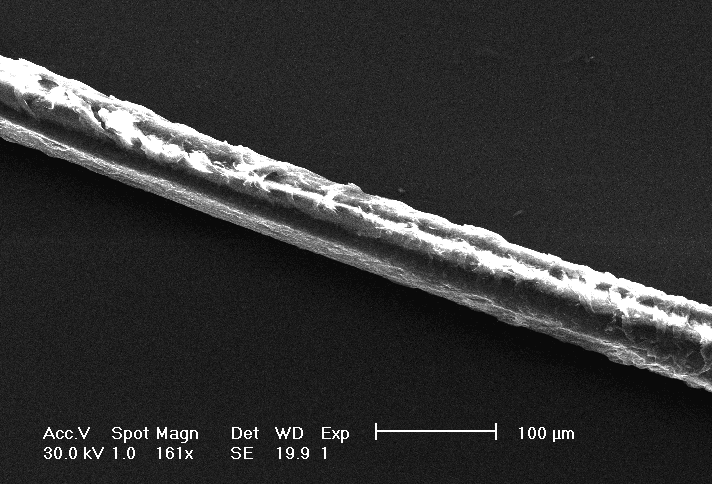
Under the electron microscope a human hair is a rope of keratin sheathed in the cuticle — the strand's outer armour. Oils and butters lie over it, slowing the moisture loss that costs you length.
SEM: Foreade · CC BY-SA 4.0 · Wikimedia Commons
Black Cumin and the Scalp Microbiome
*Malassezia* species are the primary fungal cause of dandruff and seborrheic dermatitis. Multiple in vitro studies have demonstrated that thymoquinone inhibits *Malassezia* growth. This provides a biological basis for the traditional use of black cumin oil for dandruff — a use documented in North African and South Asian medical traditions for centuries before antifungal drugs existed.
For Type 4 hair specifically, dandruff is not just a comfort issue. The inflammation it triggers creates the environment for follicle compromise, and the flaking itself can interfere with consistent product application and styling.
How to Use It
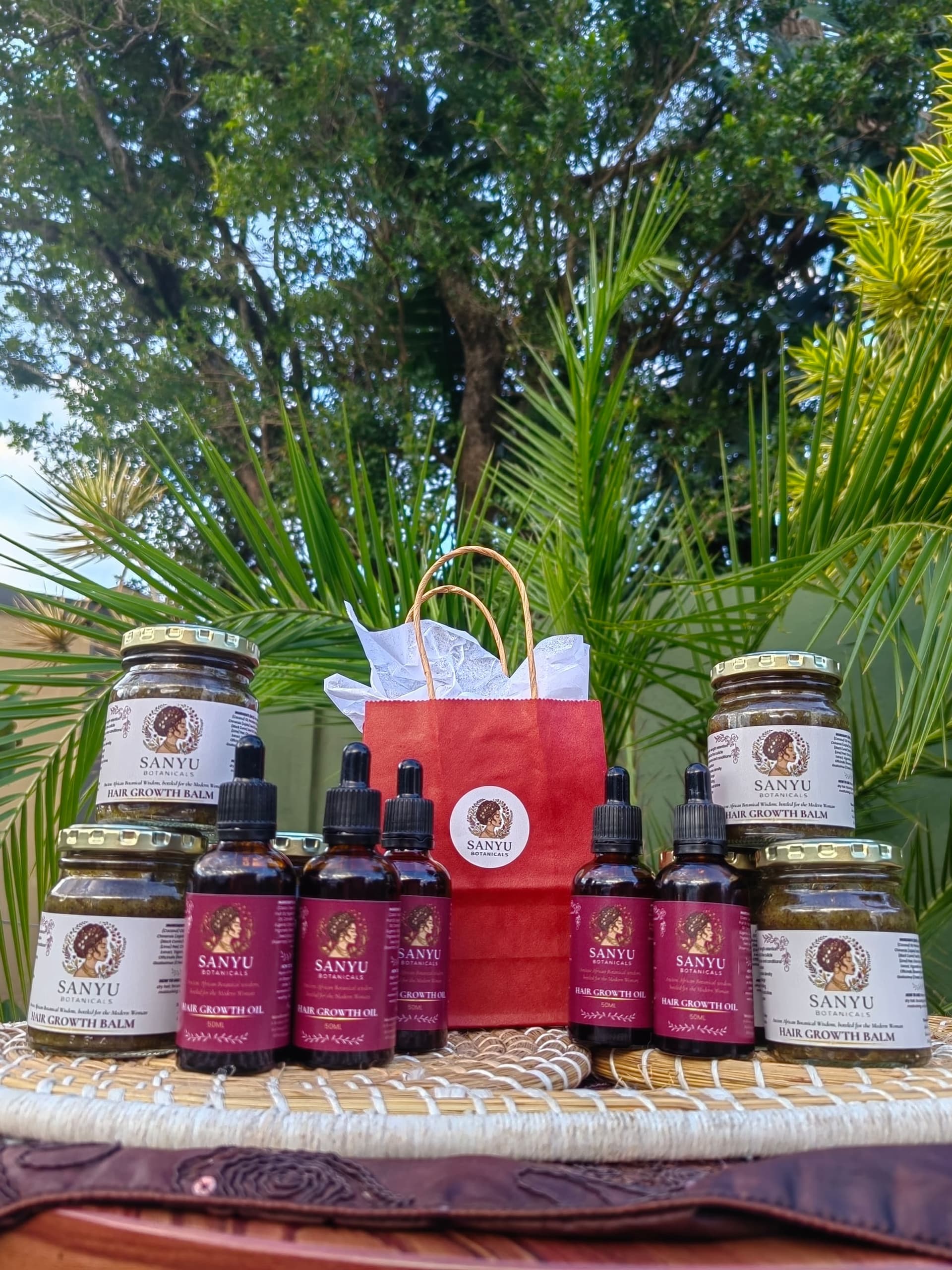
Black cumin oil has a distinctive, strong scent — earthy, slightly medicinal, with notes of thyme and pepper. In our Signature Oil, it is blended with castor, neem, hemp seed, and olive oils in proportions that moderate the scent while preserving the active compounds.
“Apply directly to the scalp, not the hair. The scalp is where the anti-inflammatory and antifungal action is needed. Massage in for 3–5 minutes to ensure distribution and to stimulate circulation.”
Consistency matters more than quantity. A few drops applied regularly will outperform heavy applications done sporadically. This is true of most plant-based interventions: their action is cumulative, working with your body's own systems rather than overriding them.
A Note on Tradition
Black cumin's reputation in traditional medicine is not coincidence. It is data — imperfectly recorded, without control groups or peer review, but representing millions of applications across thousands of years. When modern biochemistry confirms the mechanism, it is not discovering something new. It is articulating something that practitioners already knew.
This is the epistemological foundation of botanical hair care: traditional knowledge as hypothesis, modern science as confirmation. Both have value. Neither alone is sufficient.