The Irony of Protective Styling
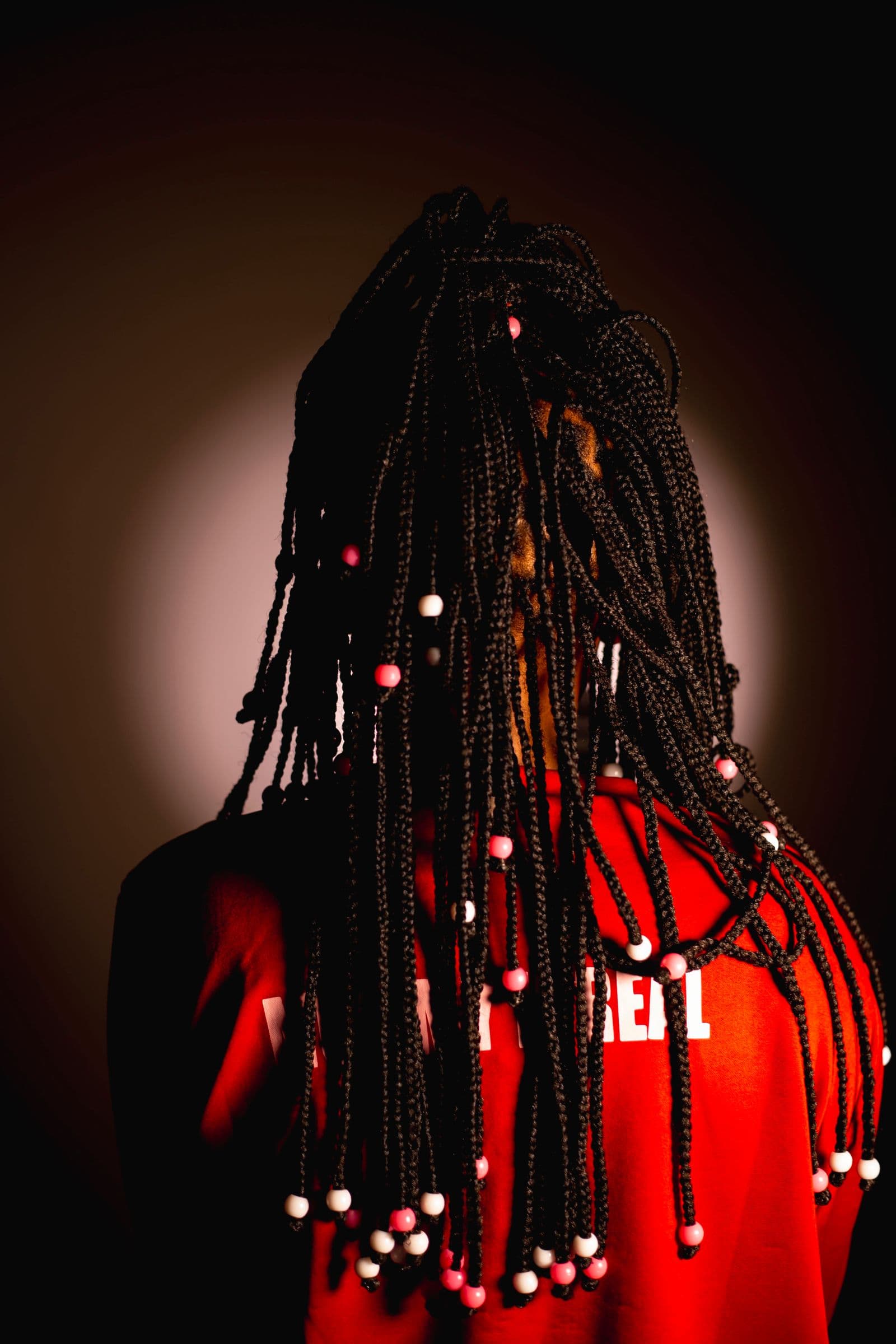
Protective styling is one of the most effective tools for length retention in Type 4 hair. By keeping the ends tucked away and reducing daily manipulation, protective styles prevent the mechanical breakage that accounts for most length loss. Done correctly, a consistent protective style rotation is one of the clearest paths to the length many women are aiming for.
Done incorrectly, it is one of the most efficient ways to cause permanent hair loss.
This is the tension (in both senses) at the heart of protective styling: the same force that holds the style in place can, at a certain threshold, begin destroying the follicles you are trying to protect.

Traction Alopecia: The Mechanism
Traction alopecia is hair loss caused by sustained mechanical tension on the hair follicle. The follicle is embedded in the dermis — the middle layer of the scalp skin — and anchored by connective tissue. This anchoring is strong, but it has limits.
When a braid, extension, or weave is installed too tightly, it exerts continuous upward and outward force on the follicle. The connective tissue stretches. At low and moderate tension, this is recoverable — the connective tissue heals when the tension is released. At high or sustained tension, the continuous mechanical stress triggers an inflammatory response in the perifollicular tissue (the tissue directly surrounding the follicle). This inflammation, if it persists, leads to fibrosis — the replacement of flexible connective tissue with rigid scar tissue.
“Once fibrosis occurs around a follicle, the follicle cannot cycle normally. The fibrotic tissue constricts the follicle, and hair production ceases. This stage of traction alopecia is permanent.”
Traction alopecia presents typically at the hairline and temples — the areas where tension is highest in braiding and extension styles. The hairline begins to recede. The temples thin. Small, painful bumps may appear at the hairline (folliculitis from follicular stress). If these signs appear and the tension is not immediately relieved, the window for recovery narrows with each passing week.
Pain Is a Warning Sign
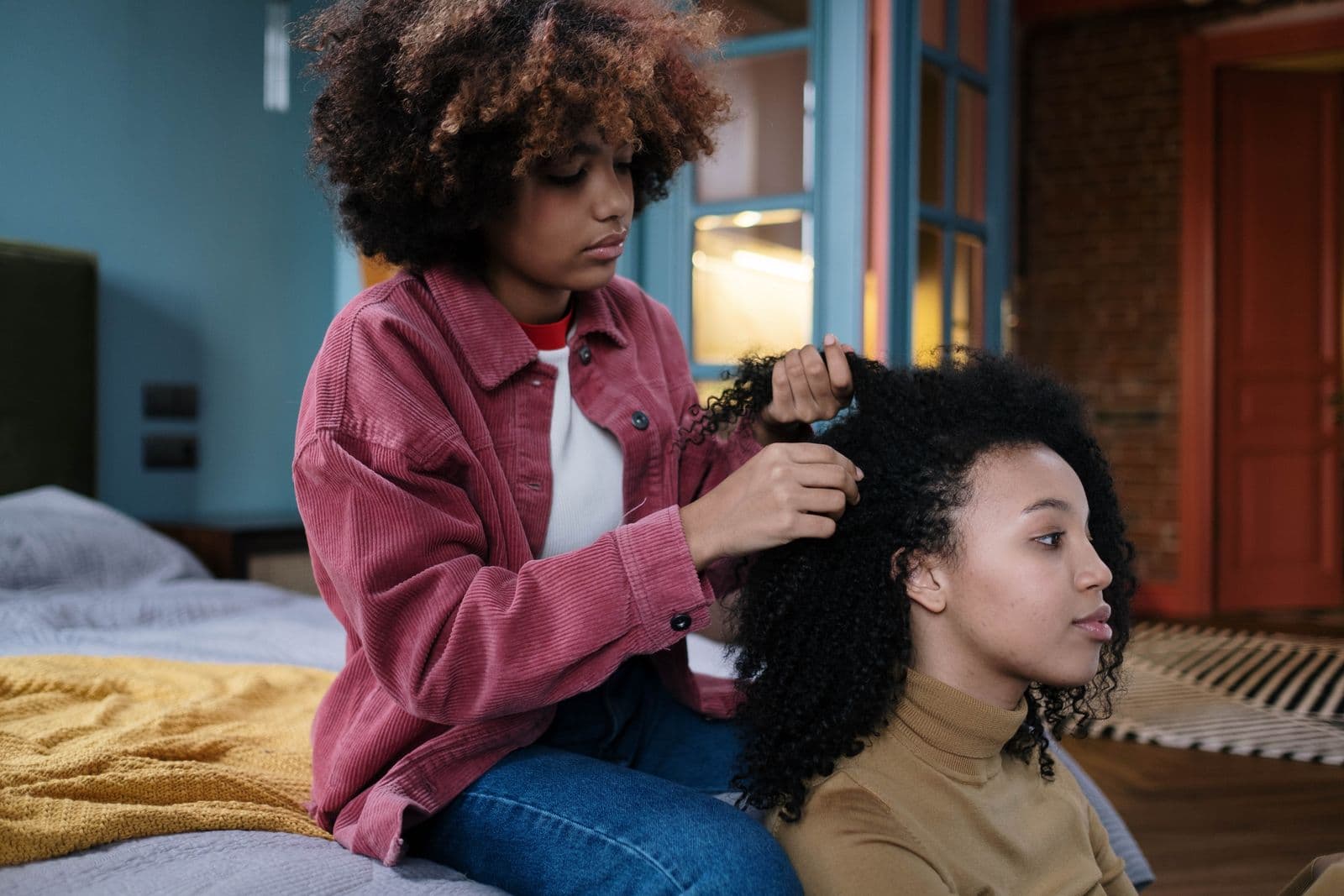
This cannot be said plainly enough: a hairstyle that causes pain is a hairstyle that is causing damage.
The scalp contains an extensive network of pain receptors specifically because the skin around the follicles needs a mechanism for communicating mechanical overload. When your braids are freshly installed and your scalp is throbbing, that is your follicles transmitting a distress signal. The cultural normalisation of "tight braids hurt for the first few days" has caused enormous amounts of preventable hair loss in Black women.
A protective style should not be painful. Mild tenderness in the first 24 hours as your scalp adjusts to the tension is normal. Throbbing pain, tightness that prevents normal facial expression, or bumps and redness at the hairline are not normal. If any of these occur: ask your braider to loosen the style. If it cannot be loosened, it should be removed.
Under the microscope
Inside the fibre
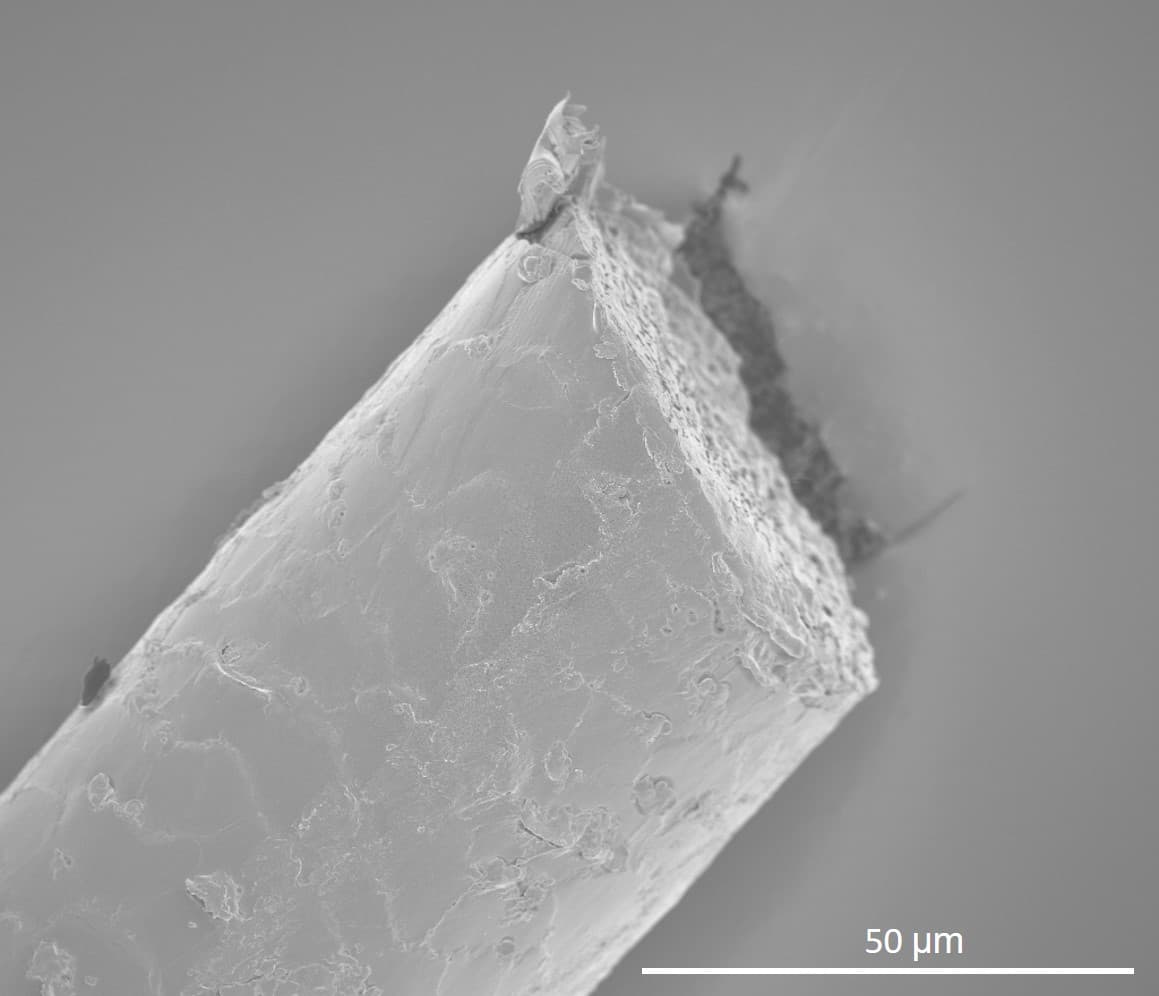
At a cut end the dense cortex shows — the keratin core that holds the hair's strength and elasticity, and lets a coil stretch and spring back.
SEM: Lola Sõukand · CC BY 4.0 · Wikimedia Commons
The 6–8 Week Rule
Protective styles should not stay in longer than 6–8 weeks for two reasons:
Shed hair accumulation. Normally, shed hairs (approximately 50–100 per day) fall from the scalp and are removed during brushing, washing, and combing. In a braided or twisted style, shed hairs cannot escape — they accumulate at the root, tangling with live, growing hair. After 8 weeks, this accumulation creates mats that can only be removed with significant detangling stress, undoing weeks of protective work in a single traumatic session.
Scalp health decline. Product buildup, sweat, sebum, and dead skin cells accumulate at the scalp in any style that restricts access. By week 8, many women in protective styles report itching, flaking, and tenderness that indicate microbiome disruption and scalp inflammation. Extended styles past this point are not protecting the hair — they are creating the conditions for scalp compromise.
Maintaining Scalp Health In-Style
The scalp does not take a break because the hair is in a protective style. Its ongoing health requirements — circulation, cleansing, moisture, antimicrobial balance — continue throughout.
Scalp oiling through the parts. Use a dropper or spray nozzle to apply diluted Signature Oil directly to the scalp through the braiding or twisting parts. Concentrate on the hairline and any area of previous tenderness. The castor oil component provides a protective film over the follicle opening; the black cumin and rosemary maintain the anti-inflammatory and circulatory benefits even when access is limited.
Gentle clarifying rinse at week 3–4. A diluted apple cider vinegar spray (1:8 with water) applied to the scalp between the parts at the midpoint of the style's life helps control product and sebum buildup without requiring a full takedown. Leave on for 5 minutes, then rinse with cool water poured carefully over the style.
Satin or silk bonnet, every night. Friction from cotton pillowcases degrades the braid or twist exterior over time, and also wicks moisture from the scalp. A satin bonnet reduces friction and moisture loss for both the style and the scalp beneath it.
The Balm as Pre-Installation Treatment
“The highest-impact application of the Sanyu Balm in a protective styling context is before the style goes in.”
In the 24–48 hours before installation, apply a generous amount of balm to washed, clean hair, working from tip to root. Allow it to absorb fully. This coats every strand with the chebe compound and the oil blend before it is enclosed in a braid or twist for 6–8 weeks. The shaft enters the style conditioned, sealed, and with a protective coating that will slowly continue to condition the hair even with limited product access during the style's wear.
Think of it as packing provisions for a long journey. Your hair will not be easily accessible for weeks. Ensure it goes in well-stocked.
Under the microscope
Closer still
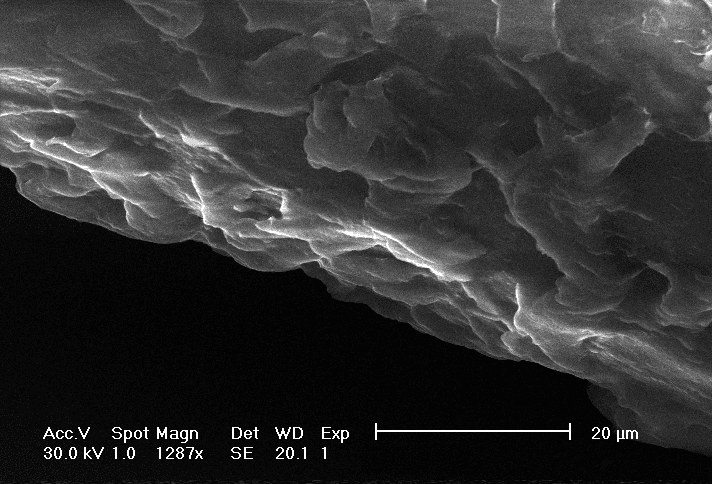
At higher magnification the cuticle's rough, tiled surface emerges. It lies smooth when the hair is moisturised and sealed, and lifts when it is dry or damaged — which is when breakage begins.
SEM: Foreade · CC BY-SA 4.0 · Wikimedia Commons
Edge Care
The edges — the fine, shorter hairs at the hairline — are the most vulnerable to traction alopecia. They have thinner shafts, shorter roots, and are closest to where the highest tension is usually applied in extension styles.
Apply the Signature Oil to the edges nightly, even while in a protective style. The castor oil's ricinoleic acid creates a protective environment at the follicle. The rosemary's carnosic acid supports follicle resilience. Keep edges laid with a light application — not a hard-hold gel that requires scraping off and creates its own removal stress.
If your edges have been thinning from previous styles: consistency with scalp oil application, a strict no-tight-styles protocol for at least 3 months, and patience. Early-stage traction alopecia is recoverable. It requires time and the complete removal of the offending tension.